

Manta Watch: Following New Zealand’s oceanic manta migration

A New Zealand manta ray. Photo credit: Sam Campbell at Sam Campbell Photography.
It’s been a whirlwind few months for Manta Watch Aotearoa New Zealand Founder and Project Director Lydia Green. Aotearoa’s authority on oceanic manta rays, the marine ecologist has been presenting groundbreaking Kiwi research at the Sharks International 2026 conference in Colombo, Sri Lanka, and undertaking significant data collection following the northern manta ray migration by sailboat from Aotearoa New Zealand to Fiji. The mission of Manta Watch Aotearoa New Zealand? To shine a light on this endangered species, collating and consolidating research to drive change and help our ocean thrive through manta conservation.
In 2024, we funded Manta Watch Aotearoa New Zealand to conduct the first dedicated aerial survey for oceanic manta rays in Aotearoa. Read more about that project, here.
Manta Watch Aotearoa New Zealand
Over the past six years, Manta Watch Aotearoa New Zealand has built a nationwide citizen science network, encouraging ocean users to report sightings and photographs of this ocean megafauna alongside dedicated field research. Together, these efforts have helped identify more than 235 individual oceanic manta rays in New Zealand waters, developing the country's first real understanding of the little-known manta population. Manta Watch’s satellite tagging programme over the past five years has transformed scientific understanding of their movements. It’s been revealed that these seven-metre giants with diamond-shaped bodies and wing-like fins undertake remarkable biannual migrations between Aotearoa New Zealand and the tropical Southwest Pacific - travelling further and diving deeper than any other known manta population, globally.
“New Zealand’s oceanic mantas continue to redefine our understanding of what this species is physically capable of, being the deepest diving population in the world!”

Lydia Green, Founder and Project Director of Manta Watch Aotearoa New Zealand, en route to Fiji. Photo credit: Sam Campbell at Sam Campbell Photography.
What the research uncovered
But the research uncovered a concerning pattern. Several satellite tags stopped transmitting south of Fiji and Tonga after the animals left New Zealand waters. Based on the timing, location, movement, and other data captured by the tags, Manta Watch Aotearoa New Zealand believes the evidence points to the mantas dying during their migration, with accidental bycatch in industrial tuna fisheries considered the most likely cause.
“Oceanic manta rays are vulnerable to accidental capture in both pelagic longline and tropical tuna purse seine fisheries,” says Lydia. “While they are not attracted to baited hooks, they feed within the same upper water column where pelagic longlines are deployed, creating a risk of entanglement. They are also known to be caught as bycatch in purse seine fisheries targeting tropical tuna. Unlike many other marine animals, mantas must swim continuously to breathe and cannot reverse to free themselves once caught.”
“Unlike many other marine animals, mantas must swim continuously to breathe and cannot reverse to free themselves once caught.”

A manta in Suva, Fiji. Photo credit: Sam Campbell at Sam Campbell Photography.
Following the manta migration
In a first for our region, Lydia completed the northern manta ray migration by sailboat from New Zealand to Fiji - raising awareness about the biannual migrations of NZ mantas, and undertaking offshore data collection in high seas and multi-jurisdictional fisheries. The trek comprised twelve days at sea, sailing 1,384 nautical miles from Opua, Bay of Islands in Aotearoa New Zealand to Savusavu Fiji, via the otherworldly Minerva Reef. This was the project's first campaign into the Southwest Pacific.
The expedition supported innovative research by Manta Watch Aotearoa New Zealand into two of the biggest unanswered questions surrounding New Zealand's oceanic manta rays: what happens after they leave Aotearoa's waters to travel to Tonga and Fiji? And, why are significant numbers dying as they make this migration annually?
Following this migratory passage marked a significant growth phase for Manta Watch, with valuable data gathering and an increased understanding and awareness of manta’s migratory habits. The journey was undertaken in partnership with mission partner Free Range Ocean, in association with SeaKeepers International and Citizens of the Sea. Along the way, the crew completed 30 citizen science tows to collect environmental DNA (eDNA) samples, contributing to independent biodiversity research across one of the world's most under-sampled ocean regions.
Collaboration between communities
In Fiji, the Manta Watch team connected with marine biologist Luke Gordon of Manta Project Fiji. Together they conducted drone surveys on the oceanic mantas found in Suva, strengthening regional collaboration between researchers working to better understand and conserve oceanic manta rays across the Southwest Pacific.
“Not many people know that we have oceanic mantas in New Zealand,” said Lydia. “Only a few years ago we knew remarkably little about this population. Thanks to citizen science, dedicated field research, and satellite tagging, we're beginning to understand where these animals go and the incredible journeys they undertake across the Southwest Pacific.”
“This expedition has helped us better understand part of that picture, but it's also shown just how much more there is to learn. Protecting these animals will require long-term collaboration between communities, researchers, governments, fisheries, conservation organisations and ocean users across the region. Our hope is that, one day, the evidence gathered through efforts like this could help support a protected seasonal migratory corridor linking New Zealand, Tonga and Fiji for oceanic manta rays and other highly migratory marine species.”
The learnings from the trip reinforced a much better understanding of how New Zealand's oceanic manta rays interact with industrial fisheries as they migrate beyond its waters; as an important first step in a larger research and conservation collective effort.
“Not many people know that we have oceanic mantas in New Zealand. Only a few years ago we knew remarkably little about this population. Thanks to citizen science, dedicated field research, and satellite tagging, we’re beginning to understand where these animals go and the incredible journeys they undertake across the Southwest Pacific.”

Lydia Green undertaking a manta drone survey in Fiji. Photo credit: Sam Campbell at Sam Campbell Photography.
Mantas in the media
BBC Wildlife Magazine featured Manta Watch’s rare wildlife interaction between New Zealand’s oceanic manta rays and their remora (sucker fish) hitchhikers. While observing a manta ray in New Zealand waters, Lydia was in for a big surprise. The 'I had a hunch...' regular BBC feature garnered exposure both internationally and locally for Manta Watch.
Back home, The Listener published a pre-Fiji passage interview, 'Ray of Hope'.
Foraging and migration
Presenting at 'Sharks' in Colombo, Sri Lanka - the largest shark and ray conference in the world, occurring every four years - enabled Lydia and Manta Watch studentship programme Master of Science student Sanaa Nair to present their groundbreaking recent research findings to a global audience. The seven day research, education, and conservation conference hosted 800 participants from 84 countries. The Manta Watch team was able to forge valuable connections with the global manta community, growing and reinforcing opportunities for future international project collaboration.
Manta Watch presented findings from their satellite tag data, demonstrating the manta population's two modes - foraging and migration - and the associated risks. Fisheries impacts in the Southwest Pacific are a primary risk and the focus of the next stage of research.
Satellite tracking and the future
Now that satellite tracking has shown New Zealand's oceanic manta population undertakes a biannual migration through a region of concentrated fishing effort, new questions emerge: what does this mean for the threatened population of mantas? How many mantas are actually being lost during the migration, and where? Answering those questions will require a significant effort from a broad group of international stakeholders in fisheries, government, conservation organisations, research institutions, sailors, and local communities.
Investing in the future of Aotearoa
Whakatupu Aotearoa Foundation and TMNZ believe in investing in the future of Aotearoa, and in supporting crucial ocean wellbeing initiatives such as Manta Watch Aotearoa New Zealand. As a purpose-driven business, TMNZ is proud to give 100% of profit distributions to Whakatupu Aotearoa Foundation, a registered charity supporting a restored Aotearoa.
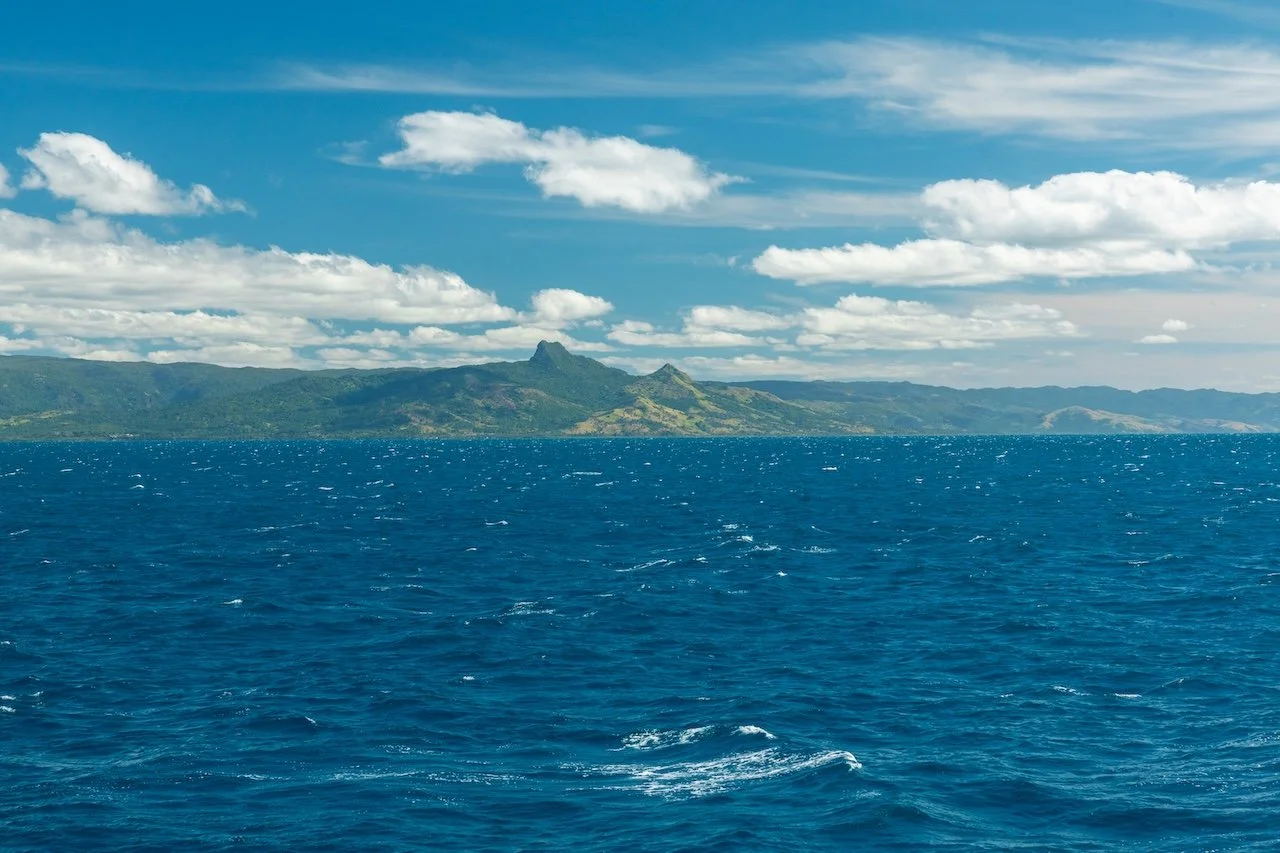
Fiji. Photo credit: Sam Campbell at Sam Campbell Photography.
All photos supplied by Manta Watch Aotearoa New Zealand and used with permission.