

Closing the digital divide: Digital Future Aotearoa

Tamariki testing an algorithm using a Blue-Bot, following a path or creating a journey to learn computational thinking foundations.
The challenge our tamariki are facing
Right now, between 10–20% of New Zealanders don't have reliable internet access, a device, or the digital skills to fully take part in the digital world. More than 150,000 households have no internet connection at home at all. But the inequity doesn't stop at the school gate, it shows up inside the classroom, too. Not every school has the devices, connectivity, or in-house expertise to deliver the Digital Technologies curriculum consistently, which means an ākonga's access to quality digital learning can depend heavily on which school or classroom they happen to be in.
For a generation growing up with digital technologies woven through every part of their education and future job prospects, that gap has real consequences. Assessments are increasingly digital, and by high school, ākonga are expected to read, research, complete, and submit their work online as a matter of course; it's not just about having a device, it's about having the digital fluency to use it well and the at-home connection to support their learning.
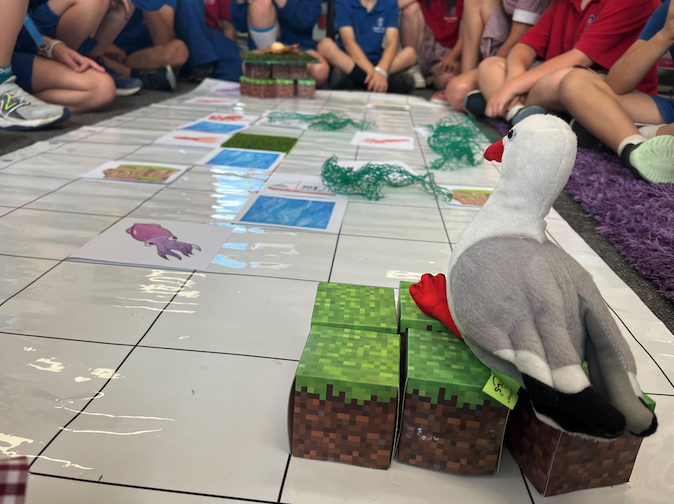
Tamariki testing an algorithm using a Blue-Bot, following a path or creating a journey to learn computational thinking foundations.
Thriving in a digital world
Without intervention, this divide doesn't stand still, it widens. The ākonga who fall behind early are the ones least likely to catch up. It's not something that resolves itself once students leave school, either. The same gaps in confidence, opportunity, and access tend to follow them into further study and early employment. That's the shift Digital Future Aotearoa (DFA) is focused on in the classroom: helping tamariki, rangatahi and kaiako move from simply consuming technology to confidently creating with it to support their educational and eventually career aspirations.
Meanwhile, Aotearoa's tech sector is short more than 10,000 skilled ICT workers, and we're producing barely half the computer science graduates the country needs each year. Māori, Pacific, and women remain significantly under-represented in the tech workforce. The pipeline problem starts early, and that's exactly where DFA is focusing. The coding, problem-solving, collaboration, and hands-on tech skills tamariki and rangatahi pick up there are the same skills the sector will need from them further down the line.
DFA is a charitable trust working across Aotearoa to make sure every tamariki and rangatahi, regardless of where they live, their family's income, or their school's resourcing, has the tools, skills, and confidence to thrive in a digital world. DFA does this through four connected programmes: Ōtautahi Outreach, Recycle A Device (RAD), Code Club Aotearoa, and Digital Pīkau.

Tamariki working through a network simulation, following an image posted online and the different actions and pathways it travels through.
Ōtautahi Outreach programme
Whakatupu Aotearoa Foundation's support directly supports DFA’s Ōtautahi Outreach programme, and the facilitators, resources, and in-classroom time that make it possible for the DFA team to walk alongside Christchurch kaiako as they build confidence teaching digital technologies.
“Partnerships like this one with Whakatupu Aotearoa Foundation are the reason we can keep showing up in classrooms, term after term, and keep saying yes when schools ask for help.”
The DFA Ōtautahi Outreach programme exists precisely because classroom-to-classroom inequity is real, and empowers interweaving of digital tech programme with other subjects. Some schools have the devices, connectivity, and in-house confidence to teach digital technologies well, and others don't. Outreach helps close that gap by putting facilitators directly into classrooms to support learning, not for an after-school session, but right there during class time, co-teaching alongside kaiako and working with whatever access and equipment the school has. This knowledge flows to tamariki learning these skills. In 2025, Outreach reached 814 ākonga across 14 school partners, supporting 201 kaiako on their professional learning journey.
For many schools, even seven years after the curriculum was introduced, digital technology teaching still feels daunting as they haven't been adequately supported on their confidence and competence journey.
One Year 6 kaiako at Sacred Heart School put it simply: they wouldn't have been able to attempt this kind of digital learning without this support. That's the shift Outreach is built for, helping both kaiako and their ākonga move beyond just using tech day-to-day, towards actually creating with it: designing, coding, building, and problem-solving, not just consuming.

Tamariki working through a network simulation, following an image posted online and the different actions and pathways it travels through.
Recycle A Device and Code Club
Where Outreach reaches deep into Christchurch classrooms, two other programmes extend that impact even further:
Recycle A Device (RAD) ensures ākonga aren't left without a device to learn on, and supplying access to education. Rangatahi refurbish donated laptops themselves at refurbishment workshops, in exchange for hands-on tech engineering experience. Diverting waste from landfill donated all over Aotearoa, the finished devices go straight to whānau and students who need them most. It’s a cost effective, environmentally friendly, socially minded way to bridge the digital divide, reducing e-waste and landfill, while providing future-focussed opportunities. In 2025, RAD gifted 2,585 laptops into communities, diverted 4.2 tonnes of e-waste from landfill, and gave 432 rangatahi new tech skills through its workshops.
Code Club Aotearoa gives tamariki age 7-13 a free, volunteer-led weekly space to explore basic computation skills, coding, and robotics (often using RAD-refurbished laptops). Christchurch schools supported through Outreach have gone on to establish their own Code Clubs, turning a one-off classroom visit into an ongoing hub for digital creativity, to decrease the digital divide.

A Kai's Clan set up tamariki created to solve a puzzle.
Digital Pīkau
Digital Pīkau, DFA’s free open-source online library of classroom-ready teaching resources, is largely built from lessons that DFA Outreach facilitators first test in Christchurch classrooms. Where Outreach goes deep in Ōtautahi, Pīkau makes those same lessons available nationwide — a free "digital backpack" any kaiako in the country can pick up and use, 24/7.
Project spotlight: Building digital citizenship skills for the future
Building on the same approach that makes Digital Pīkau a success: resources designed by DFA facilitators, refined with real classroom experience in mind, then shared nationwide — means DFA is currently creating a new series of eight experiential, classroom-ready digital citizenship modules for Year 5–6 ākonga.
Currently in development, the series is being built to help young people navigate the digital world safely, thoughtfully, and confidently. It covers the kinds of programmes, risks, online interactions and digital footprints that today's 9–11 year olds are already encountering (often before they've had the chance to build the skills to manage them). Once complete, the modules will be delivered through the Digital Pīkau platform, free and ready for any kaiako in Aotearoa to pick up and use to reduce digital inequity and extending the reach of this kaupapa well beyond Ōtautahi.
It's a good example of what DFA does at its core: taking what they’ve learned works in the classroom, and turning it into something every school in the country will be freely able to use.
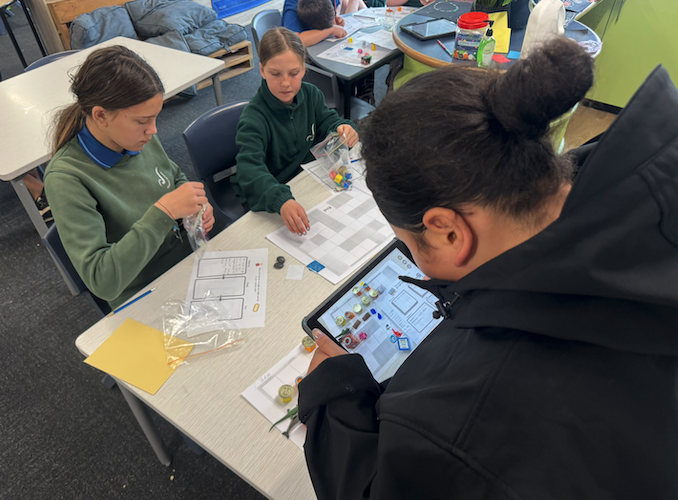
Tamariki designing their own digital games using unplugged design.
“DFA’s purpose is simple: to create, deliver, and provide access to digital technologies education so that tamariki and rangatahi can confidently innovate in the digital world, expanding their own opportunities while strengthening the future of Aotearoa’s technology sector, economy and environment. We want to see a future where every child grows up with a genuine shot at shaping our digital world rather than just getting by in it.”
Digital Future Aotearoa's vision
None of this happens alone. It takes kaiako willing to learn alongside their ākonga, volunteers giving up their evenings for Code Club, communities donating old laptops, and partners like Whakatupu Aotearoa Foundation and TMNZ backing the mahi that makes it all possible.
“Ngā mihi nui to Whakatupu Foundation and TMNZ for helping us keep opening doors for tamariki across Ōtautahi through Ōtautahi Outreach.”
Investing in the future of Aotearoa
Whakatupu Aotearoa Foundation and TMNZ believe in investing in the future of Aotearoa, and in supporting crucial youth wellbeing initiatives such as Digital Future Aotearoa to deliver meaningful impact for tamariki and rangatahi. As a purpose-led business, TMNZ is proud to direct its profits to Whakatupu Aotearoa Foundation to help build a restored and thriving Aotearoa.
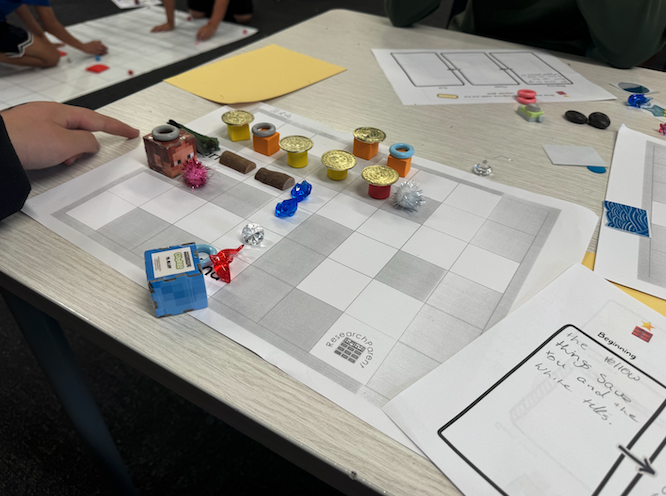
Tamariki designing their own digital games using unplugged design.
All photos supplied by Digital Future Aotearoa and used with permission.